Glow Like an Istanbul Local: The Secrets Behind Turkish 'Cilali' Skin
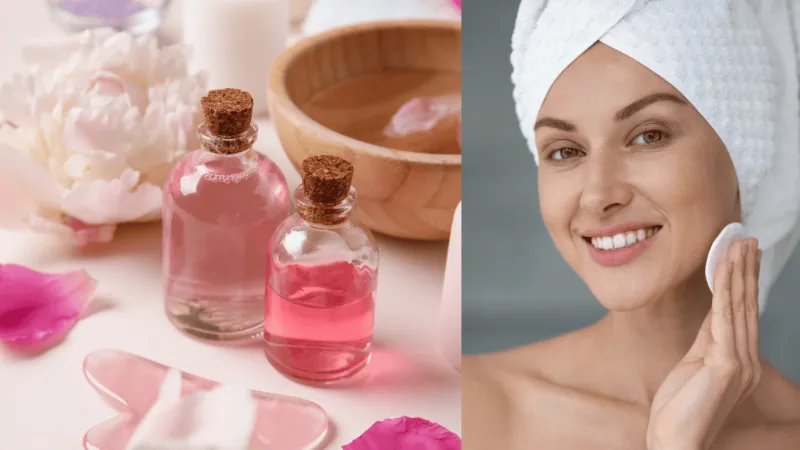
Photo: Turkish woman glowing radiant skin rose water beauty ritual, via glowitgreen.com
If you've ever scrolled past a Turkish beauty influencer and thought, how does her skin look like that?—you're not alone. There's a particular kind of radiance that shows up again and again in Turkish beauty culture, and it has a name: cilali. Loosely translated, it means polished, luminous, almost glass-like. And unlike a lot of Western skincare trends that chase that same glow with $80 serums and five-step routines, the Turkish approach is rooted in something older, simpler, and honestly a lot more practical.
At Zeytin Beauty Lounge, we've spent a lot of time thinking about what makes Turkish beauty philosophy so effective—and so translatable for American skin. Whether you're dealing with dry winters in Chicago, humid summers in Houston, or the year-round environmental stress of city living, the cilali approach has something real to offer.
What 'Cilali' Actually Means (It's Not Just a Vibe)
The word cilali shows up in Turkish to describe anything with a polished, reflective finish—think lacquered furniture or a well-buffed shoe. When Turkish women use it to describe skin, they mean a complexion that catches light naturally. Not glittery, not greasy, not artificially dewy. Just genuinely well-hydrated, even-toned, and alive.
Achieving that isn't about one magic product. It's about a layered approach that prioritizes hydration from the inside out, regular exfoliation, and ingredients that have been trusted for generations. The Turkish beauty tradition doesn't separate skincare from wellness—what you eat, how much water you drink, and how you treat your skin daily all feed into the same result.
Rose Water: The Original Toner (and It Actually Works)
Before toners were a thing in American drugstores, Turkish women were splashing rose water on their faces after cleansing. And not the synthetic stuff—real, distilled rose water made from Damask roses, which have been cultivated in Turkey's Isparta region for centuries.
Rose water is mildly astringent, anti-inflammatory, and genuinely soothing. It helps balance skin pH after cleansing, which means your moisturizer absorbs better. It also smells incredible, which makes it one of those rare skincare steps you actually look forward to.
For US readers: look for 100% pure rose water with no added alcohol or fragrance. Apply it with a cotton pad or just press it into your skin with clean hands after washing your face. It works on every skin type—oily, dry, sensitive, combination. This is a non-negotiable step in the cilali toolkit.
The Pomegranate Factor
Pomegranates are everywhere in Turkish cuisine and culture, and their role in skincare is no accident. Pomegranate extract is packed with punicic acid, a rare omega fatty acid that supports the skin barrier, and ellagic acid, which helps even out tone and protect against environmental damage.
Turkish women have used pomegranate seed oil for generations as a lightweight facial oil—it absorbs quickly without clogging pores and delivers serious antioxidant protection. It's particularly effective for anyone dealing with hyperpigmentation, dullness, or the kind of uneven texture that comes from sun exposure.
You can find pomegranate seed oil at most health food stores or online. A few drops mixed into your moisturizer, or applied directly before SPF in the morning, is all you need. It's one of those ingredients that works quietly but consistently.
Exfoliation, Turkish Style
You can't talk about cilali skin without talking about exfoliation—but Turkish exfoliation is not the same as scrubbing your face with a walnut shell scrub three times a week. The hammam tradition is about gentle, consistent sloughing using a kese mitt, which removes dead skin cells without stripping or irritating the skin.
For your face, that translates to regular but gentle exfoliation—think a mild enzyme exfoliant or a soft muslin cloth used with your cleanser two to three times a week. The goal is to clear the surface so that everything you layer on top actually penetrates and does its job. Over-exfoliating is one of the biggest mistakes American skincare routines make, and it's part of why so many people struggle to achieve lasting glow. More is not more here.
Hydration Layering: The Turkish Way
One thing that stands out about Turkish skincare is the emphasis on layering hydration rather than relying on one heavy cream to do everything. The typical approach goes something like this: rose water or a light hydrating mist, followed by a water-based serum or essence, followed by a facial oil or light moisturizer to seal everything in.
This works because different hydrating ingredients function at different levels of the skin. Hyaluronic acid draws water into the skin. Glycerin helps retain it. Oils and emollients form a barrier to keep it all from evaporating. Stacking these in the right order means your skin stays hydrated longer, which is exactly what creates that sustained, all-day luminosity.
For American readers dealing with dry climates or heated indoor air in winter, adding a humidifier to your bedroom is one of the most underrated things you can do for your skin. Turkish beauty wisdom has always connected environment to skin health—and your bedroom air is part of your environment.
What You're Eating Shows Up on Your Face
Turkish cuisine is rich in olive oil, fresh vegetables, legumes, and antioxidant-heavy fruits—and it's not a coincidence that this diet maps almost perfectly onto what dermatologists recommend for skin health. Olive oil in particular (zeytin, in Turkish—yes, that's where our name comes from) is loaded with vitamin E and squalene, both of which support skin elasticity and hydration.
You don't have to overhaul your entire diet. But adding a drizzle of quality olive oil to your meals, eating more pomegranate and citrus, and staying consistently hydrated with water throughout the day will show up on your skin over time. The cilali glow is not just topical—it's systemic.
Putting It All Together
The beauty of the cilali approach is that it's not a trend. It's not tied to a specific product launch or a 30-day challenge. It's a philosophy that treats skin as something to be nurtured over time, with simple, high-quality ingredients and consistent habits.
Start with rose water. Add a pomegranate oil. Exfoliate gently and regularly. Layer your hydration instead of piling on one thick cream. Eat well. Drink water. Give it a few weeks, and you'll start to understand why Istanbul women have been glowing for centuries.