One Month, One Overhaul: What Happens When You Trade Your 12-Step Routine for Turkish Simplicity
The Vanity That Started It All
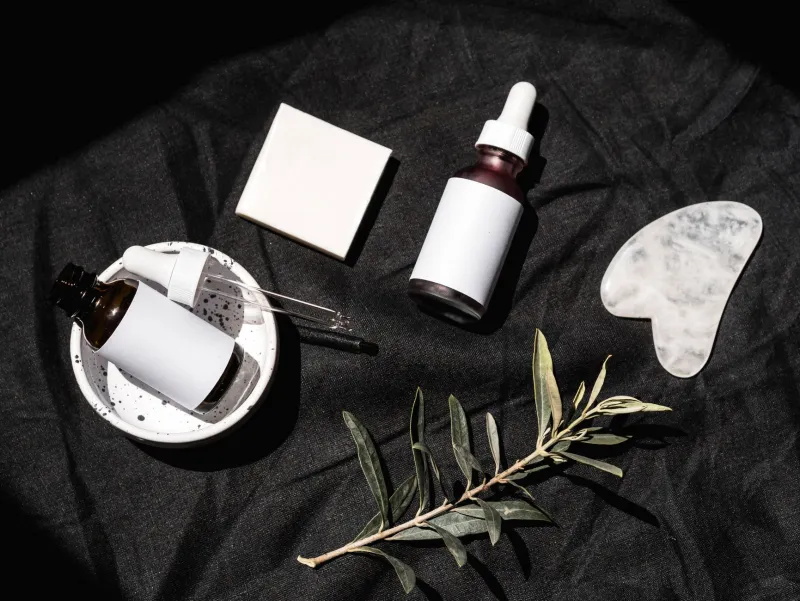
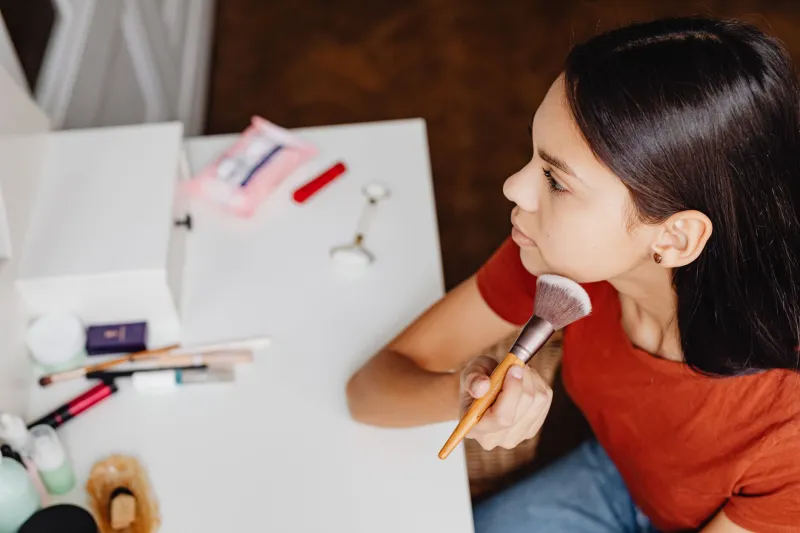
Kayla, a 34-year-old marketing manager from Austin, Texas, counted her products one Sunday morning. Seventeen. Seventeen bottles, tubes, and jars crammed onto a single bathroom shelf — each one promising something different, each one bought because an algorithm told her she needed it.
"I was spending maybe $300 a month and my skin still looked tired by 3 p.m.," she says. "I wasn't glowing. I was just... layered."
She's not alone. Across the US, women are starting to question whether more really means better — and a growing number of them are finding their answer in Turkish beauty philosophy. Not the trendy, hashtag version. The real thing: fewer products, better ingredients, and rituals that have been refined over centuries rather than cooked up in a marketing meeting.
At Zeytin Beauty Lounge, we've watched this shift happen up close. Clients walk in overwhelmed and walk out with a routine they can actually stick to. So we put together a honest look at what a 30-day Turkish beauty reset actually involves — including what you give up, what you gain, and why so many American women are saying they'll never go back.
Week One: The Edit (It's Harder Than It Sounds)
The first step isn't buying anything. It's removing things.
Turkish beauty culture has never been about accumulation. The hammam tradition — those legendary bathhouses that have anchored Turkish wellness for over a thousand years — is built on the idea of stripping back. Steam, exfoliation, rinse. Start clean, stay clean. There's no room for twelve serums in that philosophy.
For week one, the reset asks you to pull everything off your shelf and keep only what you genuinely cannot function without. Most women find they can pare down to three to five items. A gentle cleanser. A moisturizer. Maybe a tinted product if you're not ready to go completely bare-faced.
This week is uncomfortable for a lot of people. "I felt weirdly exposed," admits Danielle, 29, from Chicago. "Like I'd been hiding behind products I didn't even know were doing anything."
That feeling? It's actually a signal that something is working.
Week Two: The Foundation Swap
Once the shelf is clear, you start rebuilding — Turkish style. And the cornerstone of almost every Turkish beauty routine is something you've probably already heard us talk about: olive oil.
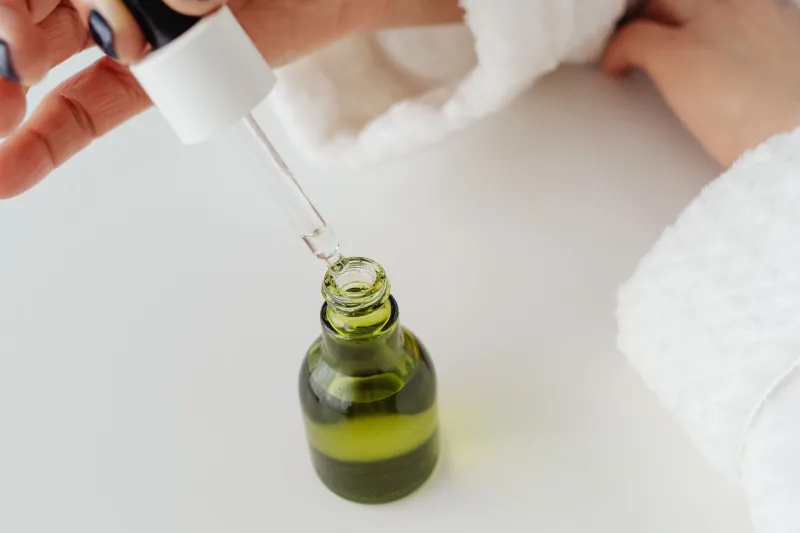
Not the decorative kind. Cold-pressed, high-quality, the sort that smells faintly grassy and feels like it belongs on your skin because, honestly, it does. Turkish women have used olive oil as a cleanser, a moisturizer, a hair treatment, and a makeup remover for generations. It doesn't clog pores the way synthetic oils can. It absorbs without leaving a film. And it works for almost every skin type, which is something very few $60 serums can claim.
Week two is about introducing this single ingredient and letting your skin respond. Most women report initial skepticism followed by genuine surprise. "By day ten, I stopped reaching for my concealer in the morning," says Kayla. "My skin just looked more even."
You're also swapping your regular shampoo routine during this week. Traditional Turkish hair care leans heavily on pre-wash oil treatments — applying oil to dry hair before shampooing, not after. It sounds counterintuitive, but it changes the entire texture conversation. Hair comes out softer without the residue that leave-in conditioners tend to leave behind.
Week Three: Technique Over Product
Here's where the reset gets interesting. Turkish beauty isn't just about what you use — it's about how you use it.
Facial massage is a daily practice, not a spa luxury. Specific kneading motions along the jawline and temples improve circulation and keep the skin looking lifted over time. Threading, rather than waxing or tweezing, shapes brows with precision that most American salons haven't fully adopted yet. Hammam-style exfoliation — using a kese mitt on slightly damp skin — buffs away dead cells more effectively than any scrub bead product on the market.
None of these techniques cost much. Some cost nothing. But they require you to actually slow down and pay attention, which is maybe the most radical part of the whole reset.
"Week three was when I stopped thinking of my routine as a chore," says Mia, 41, from Seattle. "It became something I actually looked forward to. Fifteen minutes in the morning where I was just... present."
Week Four: The Reveal (And the Real Lesson)
By the final week, most women doing the reset report the same handful of changes. Skin that feels hydrated without being heavy. Hair that holds a style longer. Less time spent in front of the mirror because the baseline is just better.
But the bigger shift is harder to photograph. It's the relationship with beauty itself.
Turkish beauty culture doesn't chase trends. It doesn't pivot every season. It trusts that what has worked for centuries is worth understanding before you discard it in favor of whatever's trending on social media. That mindset — patient, confident, grounded — is something American beauty culture has largely abandoned in the chase for the next big thing.
Kayla ended her 30 days with six products on her shelf. She's kept it there for four months. "I spent less in one month than I used to spend in a week," she says. "And I get more compliments now than I ever did when I had the full routine going."
How to Start Your Own Reset
You don't need to overhaul everything overnight. The Turkish approach is gradual by nature. Here's a simple starting point:
- Audit your shelf. Count your products. Be honest about which ones you actually use versus which ones you bought hoping they'd fix something.
- Introduce one anchor ingredient. Cold-pressed olive oil is the obvious starting point — use it as a nighttime moisturizer or a pre-shampoo treatment first.
- Add a technique before you add a product. Try a five-minute facial massage before reaching for a new serum.
- Give it time. Turkish beauty philosophy is not about overnight transformation. It's about consistent, simple care that builds over weeks and months.
If you want guidance from someone who's done this professionally, our team at Zeytin Beauty Lounge is here for exactly that conversation. Sometimes the most transformative thing you can do for your skin is stop adding and start editing.
Simple doesn't mean less. In Turkish beauty culture, it usually means more — more intention, more effectiveness, and more of the quiet confidence that comes from actually knowing what you're doing and why.