Lost in Translation: 21 Turkish Beauty Words That Could Completely Rewire Your Skincare Routine
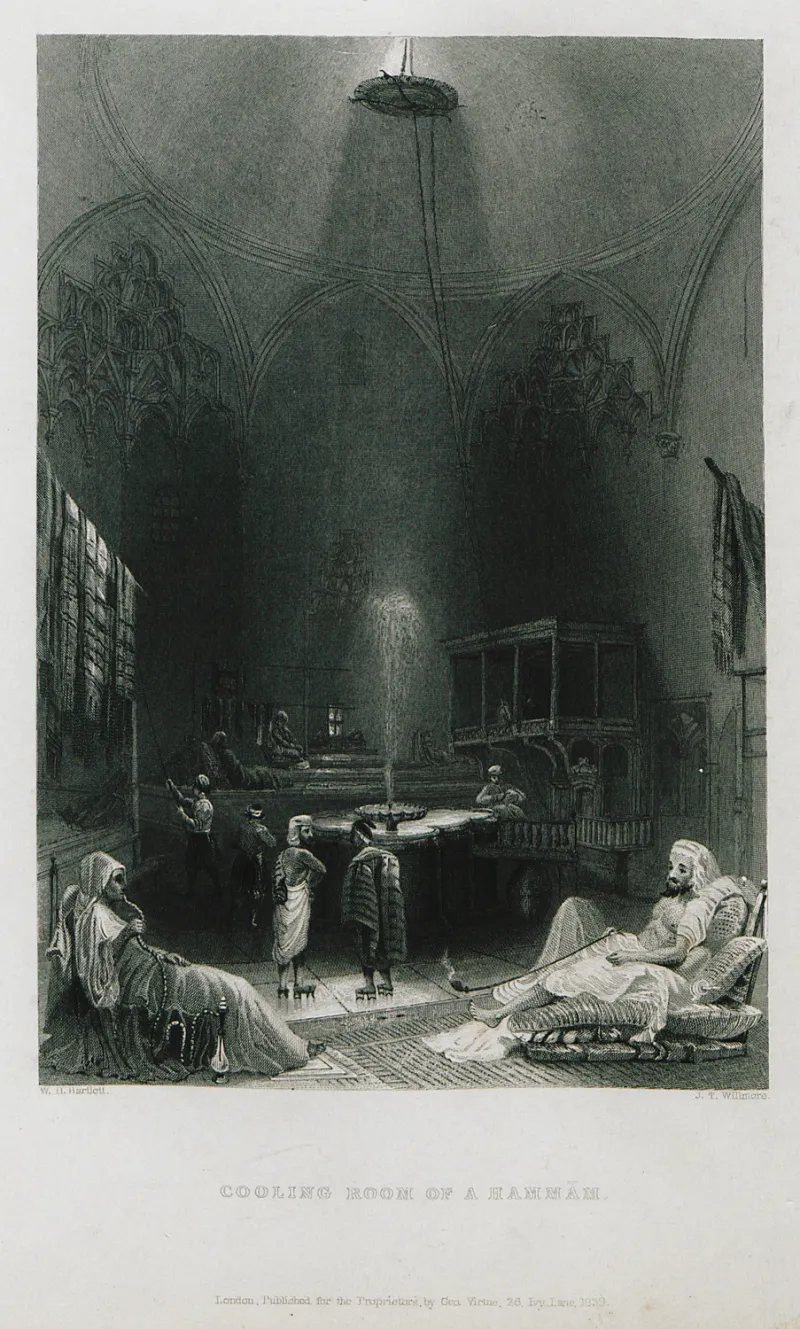
Photo: Julia Pardoe / William Henry Bartlett, Public domain, via Wikimedia Commons
Here's something nobody tells you when you're standing in the beauty aisle trying to decide between seventeen different serums: some of the most effective beauty philosophies in the world don't have a product attached to them at all. They're ideas. Principles. Ways of being with your skin, your hair, your body.
Turkish beauty culture has been quietly operating on this level for centuries. And a big part of why it hasn't fully crossed over into the American mainstream yet is simple — a lot of it literally cannot be translated. The concepts are too layered, too culturally embedded, too specific to squeeze into a single English word.
But that's about to change. Here at Zeytin Beauty Lounge, we've been living at the intersection of Turkish elegance and modern glow for a long time, and we want to hand you the glossary that nobody thought to write. Consider this your cultural passport.
The Philosophy Words: How Turkish Women Think About Beauty
1. Terbiye Literally meaning "refinement" or "discipline," terbiye in a beauty context refers to the patient, consistent cultivation of skin over time. Not a 10-day fix. Not a viral hack. A long-term relationship with your complexion built on repetition and respect. American skincare culture is obsessed with transformation. Terbiye is about maintenance as a form of mastery.
2. Huzur Peace. Stillness. Huzur is the emotional state Turkish women consider essential before a beauty ritual begins. You can't properly care for your skin when you're rushing or stressed. Sound woo-woo? The science actually backs it up — cortisol is one of the biggest drivers of inflammation and breakouts. Huzur is the original stress-skincare connection.
3. Zarafet Grace. But not the performative kind — the internal kind that radiates outward. Zarafet is why Turkish beauty culture doesn't separate inner wellness from outer appearance. A woman who is rested, nourished, and at ease carries zarafet naturally. No contour required.
4. Özen This one's close to "care" or "attentiveness," but it goes deeper. Özen implies a deliberate, almost loving quality of attention. When you apply your moisturizer with özen, you're not just slapping it on — you're pressing it in slowly, noticing your skin's texture, responding to what you feel. It's the difference between a routine and a ritual.
5. Doğallık Naturalness. Not the Instagram-filtered "no-makeup makeup" look, but genuine comfort in your own skin. Turkish beauty ideals have always valued authenticity over artifice. Doğallık is why zeytin (olive) oil, pomegranate, and rose water have outlasted every trend that's come and gone.
The Hammam Words: A Whole Spa Language You Didn't Know Existed
6. Kese The exfoliating mitt used in the hammam. But kese is also the act itself — the vigorous, deeply satisfying scrub-down that removes weeks of dead skin in one session. Americans have discovered exfoliation, but kese is a full-body commitment. The result? Skin so smooth it genuinely shocks first-timers.
7. Tellak / Natır The tellak (male) or natır (female) is the skilled hammam attendant who performs your treatment. This isn't a spa employee in a polo shirt. This is a trained practitioner whose craft has been passed down through generations. Understanding this word helps you appreciate that hammam culture is a skilled trade, not just a luxury.
8. Göbek Taşı The "belly stone" — the large heated marble slab at the center of a hammam where you lie and sweat before your treatment begins. Heat opens pores, relaxes muscles, and prepares skin for everything that follows. Göbek taşı is the original prep step, and it puts your five-minute face-steaming routine to shame.
9. Sabunlama The soapy foam massage that follows the kese scrub. Not a quick lather-and-rinse. A slow, rhythmic, full-body cleansing experience using traditional olive oil or laurel soap. Sabunlama is where the hammam becomes genuinely therapeutic.
10. Hararet The heat room of the hammam — the hottest chamber, where serious sweating happens. Hararet also describes the warmth itself, and Turkish women treat this heat as a tool, not a side effect. Controlled sweating is one of the oldest detox methods known to human civilization.
The Ingredient Words: The Turkish Pantry That Predates Your Whole Supplement Cabinet
11. Zeytin Yağı Olive oil. But in Turkish beauty culture, zeytin yağı is a complete skincare system, not an ingredient. It's a moisturizer, a makeup remover, a hair mask, a lip treatment, and a massage medium. The word carries weight because the practice carries centuries of results.
12. Gül Suyu Rose water. Turkish gül suyu is distilled from the famous Isparta roses — a region of Turkey known globally for producing some of the finest rose oil in the world. This isn't the grocery store spray bottle version. Understanding gül suyu means understanding provenance, and provenance matters in beauty.
13. Nar Pomegranate. Nar is woven through Turkish cuisine, culture, and beauty in equal measure. Rich in punicic acid and antioxidants, pomegranate has been used in Turkish skincare for skin renewal long before "resurfacing" became a beauty buzzword.
14. Kil Clay — specifically the mineral-rich clays sourced from Turkish regions and used in traditional face and body masks. Kil masks are a hammam staple and predate every clay mask trend by about a thousand years.
15. Çörek Otu Black seed oil, also called nigella sativa. This ingredient is having a massive Western moment right now, but Turkish women have been calling it çörek otu and using it for skin, hair, and scalp health for generations. Knowing the name connects you to the lineage.
The Technique Words: Methods That Don't Have a Western Equivalent
16. Cila Polish. Luminosity. In Turkish beauty, cila refers to a specific kind of skin radiance — not dewy, not matte, not glowy in the highlighter sense. It's the deep, even luminosity that comes from properly exfoliated, well-hydrated, consistently cared-for skin. Cila is earned, not applied.
17. Bakım Maintenance. But bakım carries an emotional connotation that the English word doesn't. It implies that caring for yourself is a fundamental responsibility, not an indulgence. Turkish women don't feel guilty about their bakım routines. They protect them.
18. Masaj Massage — but in the Turkish context, masaj is embedded into daily skincare in a way Americans haven't fully adopted yet. Face massage, scalp massage, body massage as part of a weekly (not monthly) routine. Masaj is maintenance, not luxury.
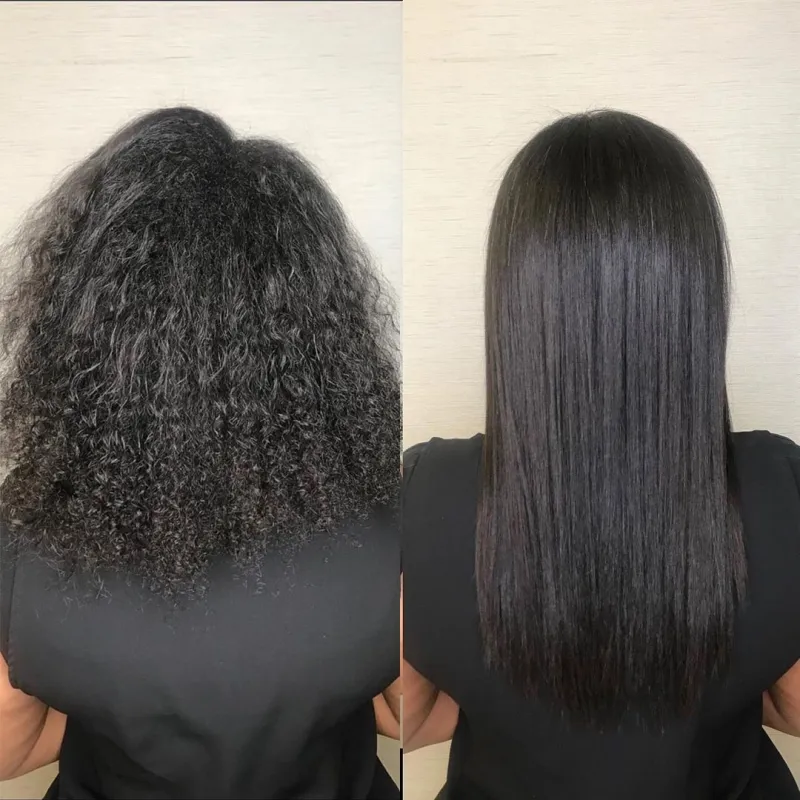
19. Boyama Coloring or dyeing — but specifically referring to the art of natural hair color treatments using henna and herbal blends. Turkish boyama traditions use ingredients that condition while they color, which is a concept most box dyes have never heard of.
20. Tarama Combing — but in the context of traditional Turkish hair care, tarama is a meditative, thorough process done with wide-tooth combs after oiling. It distributes product, detangles without breakage, and stimulates the scalp. It's the opposite of a rushed morning brush-through.
21. Fısıldama Whispering. This one isn't a technical beauty term — it's a metaphor Turkish women use for the lightest, most delicate touch when applying product around the eyes and lips. You don't rub. You don't press. You whisper the product into the skin. It's a reminder that some areas of your face deserve the gentlest possible hand.
Why This Glossary Actually Matters
You might be wondering why vocabulary has anything to do with your routine. Here's the thing — the words we use shape the habits we build. When your mental framework for skincare is built around words like "quick fix," "anti-aging," and "problem-solving," your habits follow that energy. Rushed, reactive, product-dependent.
When your framework includes terbiye, özen, huzur, and bakım — discipline, attentiveness, peace, and maintenance — your habits shift too. You slow down. You pay attention. You stop looking for the miracle product and start building the patient practice.
At Zeytin Beauty Lounge, this is the philosophy behind everything we do. Turkish beauty isn't exotic for the sake of being exotic. It's sophisticated because it was built on a foundation of understanding — understanding ingredients, understanding the body, understanding that real glow takes time and intention.
Now you've got the vocabulary. The rest is up to you.