The Best Thing a Stylist Can Do for You Might Be Telling You No
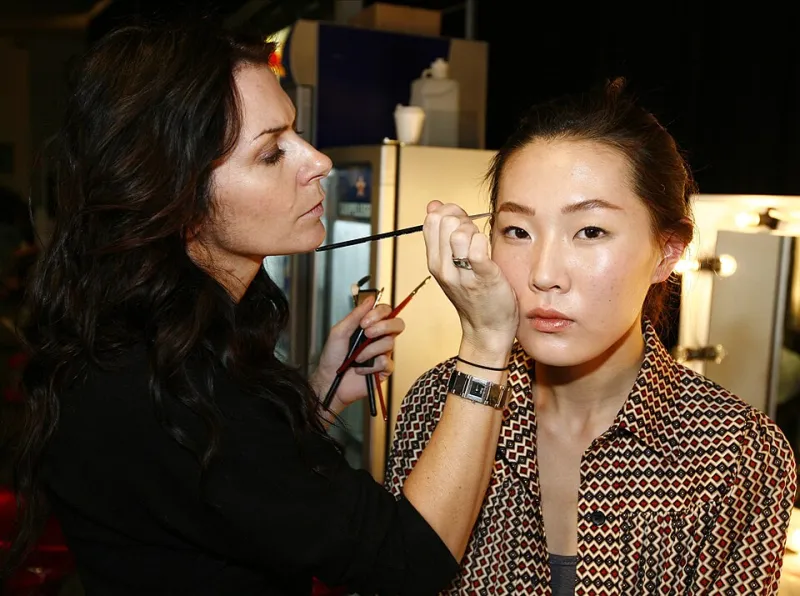
Photo: Charlie Brewer from Sydney, Australia, CC BY-SA 2.0, via Wikimedia Commons
Imagine sitting down in a salon chair, showing your stylist a photo of the dramatic bleach-blonde transformation you've been dreaming about for months — and having them look you in the eye and say, gently but honestly, "I don't think we should do this right now."
For a lot of Americans, that moment would feel like a rejection. Maybe even an insult. But in Turkish salon culture, it's one of the highest forms of professional respect a stylist can offer.
This is what we'd call the unspoken standard — the set of values that separates a service provider from a trusted professional. And it's something the American beauty industry is only beginning to understand.
Where This Ethos Comes From
Turkish salons, at their best, operate on a long-game philosophy. The goal isn't to complete a single appointment. It's to build a relationship with a client that spans years — ideally decades. That kind of relationship requires trust, and trust requires honesty, even when honesty isn't what the client wants to hear in the moment.
This isn't unique to Turkey, of course. But there's a particular cultural emphasis in Turkish professional beauty on the idea that a stylist's reputation is tied to the long-term health of their clients' hair and skin — not just the results that walk out the door on a given afternoon. If a client leaves with a blowout that looks great but comes back three months later with snapped, over-processed strands, that outcome reflects on the professional who did the work.
The incentive structure is different. And it produces different behavior.
What "Saying No" Actually Looks Like
Let's be clear — this isn't about stylists being gatekeepers or making clients feel bad about their choices. It's about professional honesty delivered with care. There's a big difference between dismissing a client's vision and having a real conversation about what their hair or skin can realistically handle.
In practice, this shows up in a few specific ways:
Refusing to over-process damaged hair. A client comes in wanting to go from dark brown to platinum in one session. Their hair has visible breakage, the ends are dry, and the elasticity test (stretching a strand to see how it responds) shows serious vulnerability. A Turkish-trained professional doesn't just charge ahead because the client is willing to pay. They explain what's happening, propose a phased approach, and sometimes decline the service entirely until the hair is in better condition.
Recognizing when skin issues need a dermatologist. A client books a facial or a threading appointment and comes in with something on their skin that looks less like a beauty concern and more like a medical one — unusual pigmentation, a lesion that's changed shape, persistent inflammation that isn't responding to any treatment. Turkish beauty professionals are trained to recognize the boundary between their scope of practice and a doctor's. Referring a client out isn't a lost sale. It's the right call, and clients remember it.
Being honest about what a style will require long-term. That high-maintenance balayage or the dramatic keratin treatment that requires specific aftercare — a good professional walks clients through the real commitment before they agree, not after. If someone's lifestyle doesn't match what a particular service demands, saying so upfront saves everyone frustration.
Why American Salons Struggle With This
The American beauty industry is largely built on a transactional model. You come in, you get a service, you pay, you leave. The pressure to fill chairs, hit revenue targets, and compete in a crowded market creates real incentives to say yes to everything and worry about the consequences later.
There's also a cultural piece. American consumers are often in the driver's seat in a way that can make professional pushback feel unwelcome. "The customer is always right" runs deep. Stylists who push back can get negative reviews, lose clients, or simply get worn down by the friction.
But here's the thing — clients who are told the truth and treated with genuine professional care don't leave. They come back. They refer their friends. They become the kind of loyal, long-term client relationships that actually sustain a business.
The Loyalty That Comes From Honesty
At Zeytin Beauty Lounge, this philosophy isn't just something we admire from a distance. It's something we try to practice. When a client comes in with a beauty goal that we genuinely don't think will serve them well — whether that's a hair treatment their strands aren't ready for, a skincare approach that's working against their skin type, or a look that requires upkeep they've told us they don't have time for — we say so. Kindly, constructively, and with an alternative in mind.
The response, almost universally, is gratitude. Not always immediately. Sometimes people need to sit with it. But the clients who come back are the ones who felt respected, not just serviced.
What You Deserve From Your Salon
If your current salon has never once suggested a different approach, recommended you see a specialist, or gently pushed back on a request — that might not be a good sign. It might mean they're great at giving you exactly what you ask for. But a truly skilled professional knows things you don't, and part of their job is sharing that knowledge even when it's inconvenient.
You deserve a stylist who sees your hair and skin as something worth protecting over time. Someone who treats your long-term results as their professional responsibility. That's not a high bar — but it does require a certain kind of integrity that not every business model supports.
Turkish beauty culture built that integrity in because reputation is everything when your clients are your neighbors, your community, your long-term relationships. That's a model worth importing — not just for the techniques, but for the values underneath them.