The Turkish Fön Blowout: Salon-Smooth Hair Without the Scorch

Photo by Photo by Giorgio Trovato on Unsplash on Unsplash
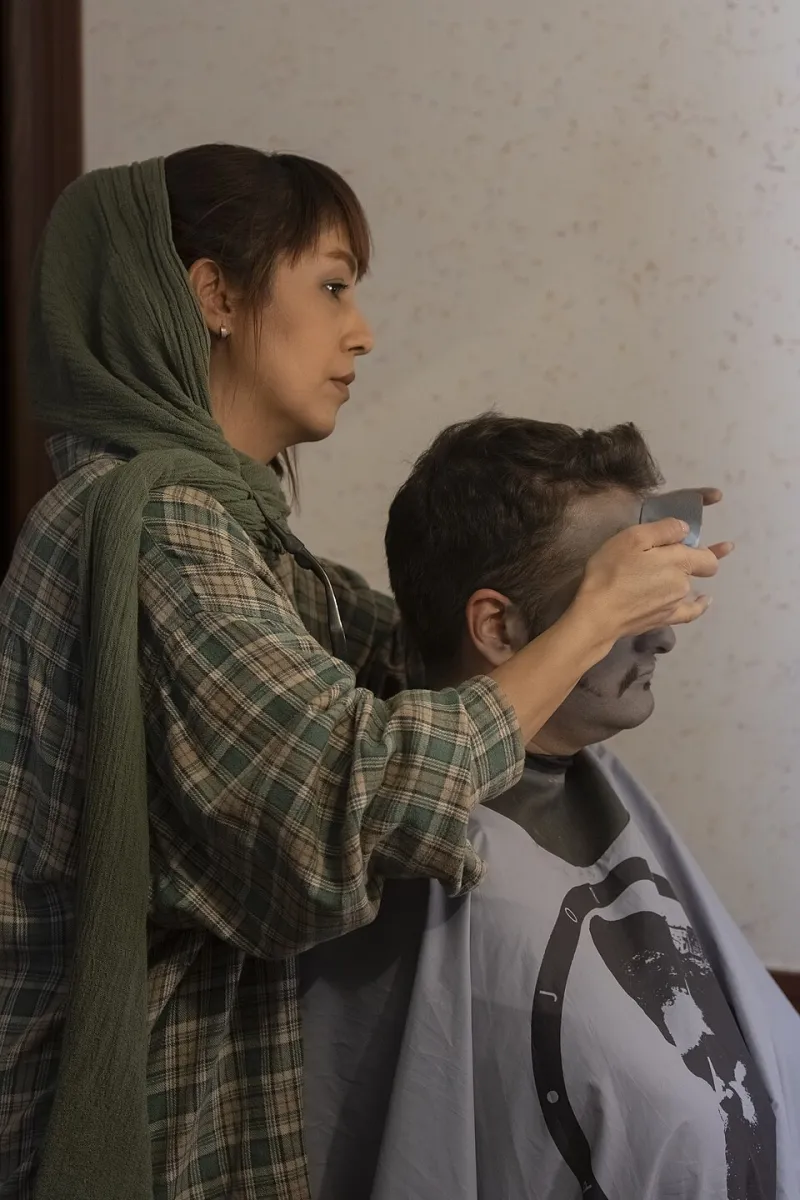
Walk into a Turkish salon for a fön and you may notice something missing: the blast of heat that makes you flinch. The stylist is not in a hurry. The dryer stays on a medium setting. The brush moves with tension, not speed. And every section ends with a shot of cool air.
Fön simply means blow-dry in Turkish. But the ritual around it is specific. It is less about forcing hair straight and more about smoothing the cuticle, shaping the hair, and setting the finish so it holds. The result is that salon-smooth look — glossy, bouncy, with movement at the ends — without the fried texture that comes from chasing maximum heat.
Why Heat Is Not the Hero
High heat can make hair look smooth for an hour. It also lifts the cuticle, drives moisture out, and leaves strands more prone to frizz later. Turkish stylists use heat as a tool, not a weapon. Medium heat opens the cuticle just enough to reshape the hair. Tension does the smoothing. The cool shot closes the cuticle back down.
That cool shot is not a decorative step. It is the difference between hair that looks polished and hair that looks pressed. Cool air sets the shape and adds shine. If you skip it, you are leaving the cuticle open and inviting frizz to move in.
The Four Pillars of a Good Fön
First, sectioning. A fön is not a one-brush job. The hair is divided into manageable sections — usually four main sections, then smaller subsections. This lets the stylist control tension and heat on every strand.
Second, tension. The brush should pull the hair gently but firmly. Too little tension and the hair stays poufy. Too much and you risk breakage. The tension should feel like a firm handshake, not a tug-of-war.
Third, moisture control. Hair should be about eighty percent dry before you start with a round brush. If it is soaking wet, you will spend too long with heat on one section. Rough dry first with your fingers or a vent brush, then move to the round brush.
Fourth, the cool finish. Every section gets a few seconds of cool air while still on the brush. This sets the shape and adds shine. It is the step most people at home skip, and it is the step that makes the biggest difference.
At-Home Fön, Step by Step
Start with clean, damp hair. Towel-dry gently with a microfiber towel — no rough rubbing. Apply a heat protectant from mid-length to ends. If your hair is thick or coarse, add a light leave-in conditioner. If it is fine, keep product minimal so you do not weigh it down.
Rough dry until hair is about eighty percent dry. Use your fingers or a vent brush and keep the dryer moving. Do not focus on one spot. Once the hair feels mostly dry but still cool to the touch, you are ready to section.
Divide hair into four sections: top, back, left, and right. Clip each section away. Start at the back, because that is where you have the least control and the most room to hide mistakes. Take a subsection about one to two inches wide. Place a round brush under the hair at the roots. Point the dryer nozzle downward, following the direction of hair growth. Keep the dryer moving. Medium heat, medium speed.
Pull the brush through the hair with gentle tension, following with the dryer. When you reach the ends, roll the brush slightly under for a soft bend or keep it straight for a sleek finish. Hold for a few seconds, then hit that section with cool air while the hair is still on the brush. Release. Move to the next subsection.
Work through the back, then the sides, then the top. For the top, direct hair away from the face for volume, or toward the face for a smoother look. Finish with a light oil or serum on the ends only. Do not apply oil to the roots unless you want to look like you skipped a wash.
The Tools That Matter
A good dryer with adjustable heat and a cool-shot button is worth the investment. You do not need the most expensive model, but you do need control. A round brush with a mix of boar and nylon bristles gives tension without scratching the scalp. Sectioning clips keep you organized. A microfiber towel reduces frizz before you even plug in the dryer.
Skip the ultra-high-heat setting. Skip the tiny round brush if your hair is long and thick — it will take forever and you will be tempted to turn up the heat. Skip heavy styling creams that leave a film. Less product, more tension, better finish.
Protecting Strands While You Style
A fön should not be a daily habit if your hair is fragile or color-treated. Once or twice a week is plenty for most people. Use a deep conditioning mask once a week. Trim your ends every eight to ten weeks. And never use a flat iron on hair that just came off a hot round brush — let it cool first.
If your hair feels hot to the touch, the heat is too high. If you see steam, the hair is still too wet or the heat is too high. If your arm is tired, take a break. A good fön is not a race.
Troubleshooting the Finish
If hair looks frizzy, you probably skipped the cool shot or used too much product. If it looks flat, you likely did not rough dry enough or you applied too much oil at the roots. If it looks poufy, you may have used too little tension or started with hair that was too wet. If the ends look dry, you held the heat on them for too long.
The Turkish fön is a reminder that smooth hair is not about force. It is about preparation, control, and finishing with cool air. Your strands will thank you.