Beyond the Bridal Hands: Why Turkish Henna Belongs in Your Nail Recovery Plan
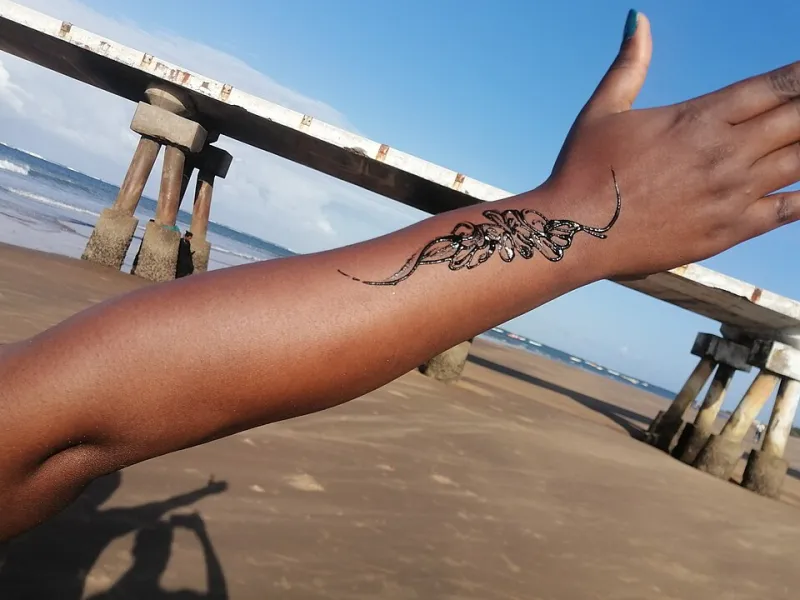
Photo: Lebu Ayiga, CC BY-SA 4.0, via Wikimedia Commons
Henna has a reputation in the West as a bridal thing — a dark, intricate design on the hands before a wedding. In Turkey, it is also a practical ritual. Grandmothers mix it. Brides wear it. And plenty of people use it on their nails and hands when they want strength, color, and softness without another trip to the salon.
That matters if your nails have been through a gel cycle. Gel manicures look great, but removal can leave nails thin, dry, and peeling. Henna is not a magic cure. It is a traditional conditioning step that can support recovery while giving your hands a warm, temporary stain. Here is what it does, what it does not do, and how to use it safely.
Henna Is a Conditioning Ritual, Not Just a Design
Traditional henna paste is made from ground lawsone-containing leaves, usually mixed with water or a mild acidic liquid like lemon juice. When applied to skin and nails, it stains the outer layer a warm orange-brown. It also has a cooling, soothing feel. In Turkish culture, henna is often applied to the palms, fingertips, and nails, sometimes with a simple design, sometimes just as a wash of color.
The point is not perfect nail art. The point is care. Henna is used to condition the skin, soften cuticles, and leave nails looking healthier. It is a slow ritual — mix, apply, wait, rinse — and that slowness is part of the appeal.
What It Does for Nails — and What It Does Not
Henna contains tannins, which can help temporarily strengthen the nail plate and reduce brittleness. It also conditions the surrounding skin, which matters because dry cuticles can lead to splits and hangnails. The stain is temporary. It fades as the nail grows out and as you wash your hands. Do not expect gel-level color or shine.
What henna will not do: cure a fungal infection, fix a structural nail problem, or replace medical care. If your nails are painful, infected, or separating from the nail bed, see a doctor or dermatologist. Henna is a cosmetic and cultural ritual, not a treatment.
The Modern, Safe Way to Apply
Use pure henna powder. Avoid black henna, which often contains para-phenylenediamine (PPD) and can cause allergic reactions. Check the ingredient list or buy from a trusted source. Mix a small amount of henna powder with water or a mild acidic liquid until it forms a yogurt-like paste. Let it rest for a few hours if you want a stronger stain. Do not add essential oils unless you know your skin tolerates them.
Start with clean, dry nails. Apply a thin layer of paste to the nails and fingertips. If you want to include the palms, apply a thinner layer there. Wrap your hands in plastic wrap or wear gloves to keep the paste moist. Leave it on for thirty to sixty minutes. Rinse with lukewarm water. Do not scrub. Moisturize afterward with a thick hand cream or oil.
The stain will deepen over the next twenty-four to forty-eight hours. It will also fade gradually. If you want a deeper color, repeat the process after a week. Do not apply henna to broken skin, cuts, or irritated cuticles.
Patch Testing Is the Step You Cannot Skip
Even natural henna can cause reactions in some people. Mix a small amount and apply it to the inner forearm. Cover it and leave it for twenty-four to forty-eight hours. If you see redness, itching, swelling, or blistering, do not use it. If you have sensitive skin or a history of allergies, talk to a dermatologist first. Patch testing is not optional. It is the difference between a nice ritual and a miserable week.
Henna Versus Gel Manicures: A Recovery Comparison
Gel manicures offer durability, shine, and a wide range of colors. They also require removal that can damage the nail plate, especially if you pick or peel them off. Henna offers no shine and no structural extension. It cannot lengthen your nails or give you a crisp French tip.
But for nail recovery, henna has advantages. It does not require UV curing. It does not need filing or drilling. It does not leave your nails feeling thin after removal. It conditions the skin around the nail. And it gives you a warm, natural stain that looks intentional without looking like a manicure.
If you are trying to recover from gel, consider a henna break. Remove your gel manicure properly — ideally with a professional — and wait a few days. Then apply henna once a week for a month. Keep your nails short. Use cuticle oil daily. Wear gloves when washing dishes. The goal is not perfect nails overnight. The goal is healthier nails over time.
Aftercare for Stained, Stronger Nails
Henna can be drying if you leave it on too long or mix it with harsh ingredients. Follow with a rich moisturizer. Apply cuticle oil every night. Avoid acetone-based removers while your nails are recovering. Keep a nail file handy for snags, but file in one direction rather than sawing back and forth.
The stain will fade on its own. You do not need to scrub it off. If you want to speed up fading, warm water and gentle washing will do it. If you want the color to last longer, avoid harsh soaps and wear gloves when cleaning.
Henna is not a replacement for modern nail care. It is a complement — a traditional Turkish ritual that fits neatly into a recovery plan. It strengthens, stains, and softens. And it asks you to slow down for an hour, which is something your hands probably need anyway.