Your Brows Are Not Content: What Turkish Threading Culture Gets That Instagram Doesn't
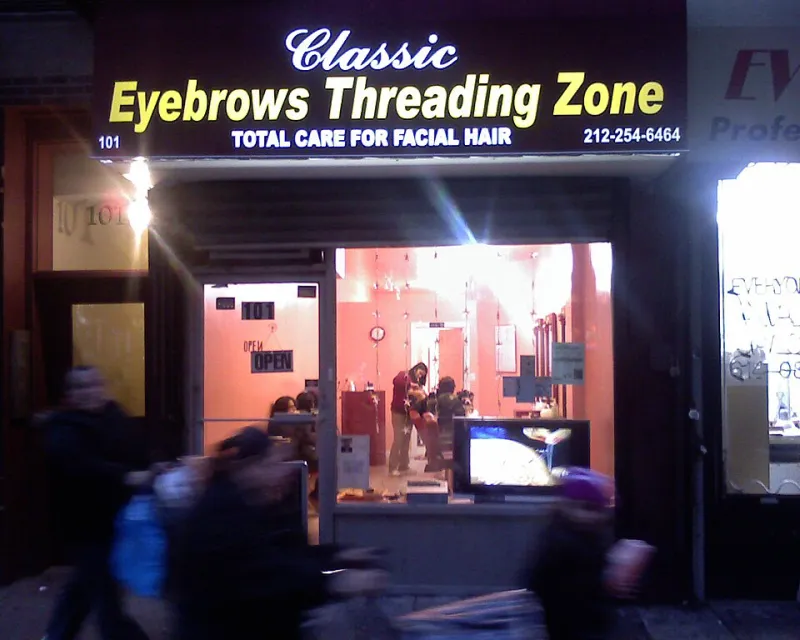
Photo: Stan Wiechers, CC BY-SA 2.0, via Wikimedia Commons
Let's be honest about where brow trends have landed in the US. We've laminated them into fluffy permanence, filled them into blocky ombré arches, and shaped them for a camera angle most people will never encounter in real life. Somewhere along the way, eyebrows stopped being part of a face and became content.
Turkish grooming culture — where threading has been a neighborhood staple for generations — operates on a completely different premise. And honestly? It's better.
The Philosophy: Harmony Over Drama
In Turkish salons, a good brow artist isn't trying to give you the brow. She's reading your face — your eye spacing, your brow bone, the natural direction your hair grows — and cleaning up what's already there. The goal isn't a shape you recognize from Instagram. It's a shape that makes people say "you look great" without being able to pinpoint why.
That's the difference between brows that photograph and brows that belong.
Why Threading Wins on Precision
Threading removes hair in clean lines with nothing touching your skin — no wax tugging, no tweezers plucking one hair at a time for twenty minutes. A skilled threader can remove even the finest vellus hairs, which means the cleanup is sharper and the shape stays crisp longer. For sensitive skin, it's also a blessing: no heat, no sticky residue, no post-wax irritation.
The Over-Filling Problem
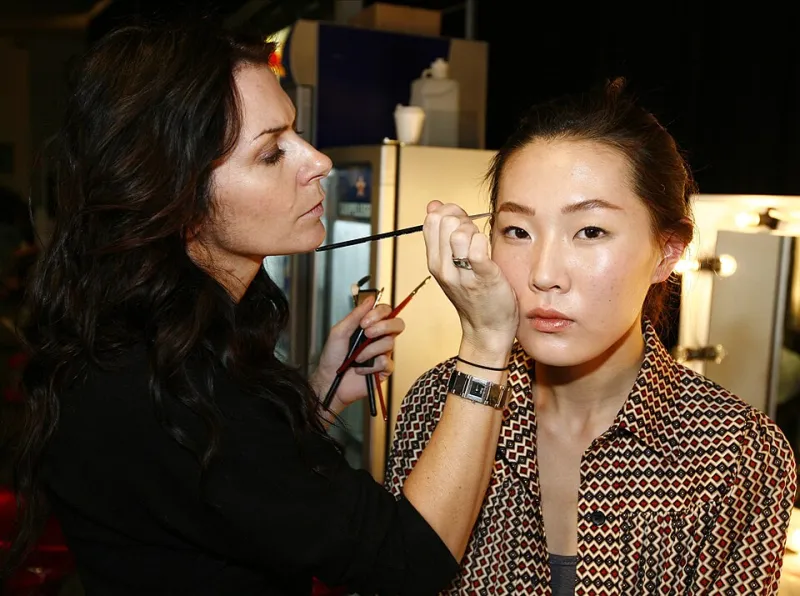
Here's an uncomfortable truth: most of us are drawing our brows darker and denser than our own hair could ever grow. Up close, a heavily filled brow reads as exactly what it is — makeup sitting on top of skin. Turkish stylists tend to fill sparingly, if at all, using light strokes only where the brow genuinely needs reinforcement. The result is brows that look like brows.
Try this: next time you do your brow makeup, use half the product you normally would. Then step back. Most people find the lighter version looks more expensive.
How to Talk to Your Brow Artist
The conversation matters as much as the technique. Skip "give me what's trendy" and try these instead:
- "Clean up my natural shape — don't redesign it." This one sentence prevents 90% of brow disasters.
- "Tell me if my brows are fighting my face." A good artist will be honest about asymmetry and what's actually fixable.
- "Let's start conservative." You can always remove more. You cannot glue hair back on.
And if your artist immediately reaches for the stencil without looking at your face? That's your sign to find a new artist.
Letting Your Natural Shape Lead
The most freeing thing about this philosophy is what it takes off your plate. You stop chasing a shape that requires twenty minutes of daily drawing. You stop panicking when your lamination grows out. Your brows become something you maintain, not something you perform.
Your brows frame your face — they shouldn't upstage it. That's not a hot take; it's just good grooming, the kind that's been quietly working in threading salons from Istanbul to Izmir while the rest of us were drawing squares on our foreheads.